

By NEXTER
Three health workers have died of tuberculosis in Nasarawa State as the burden of drug-resistant TB rises amid shortages of diagnostic materials, drugs and manpower.
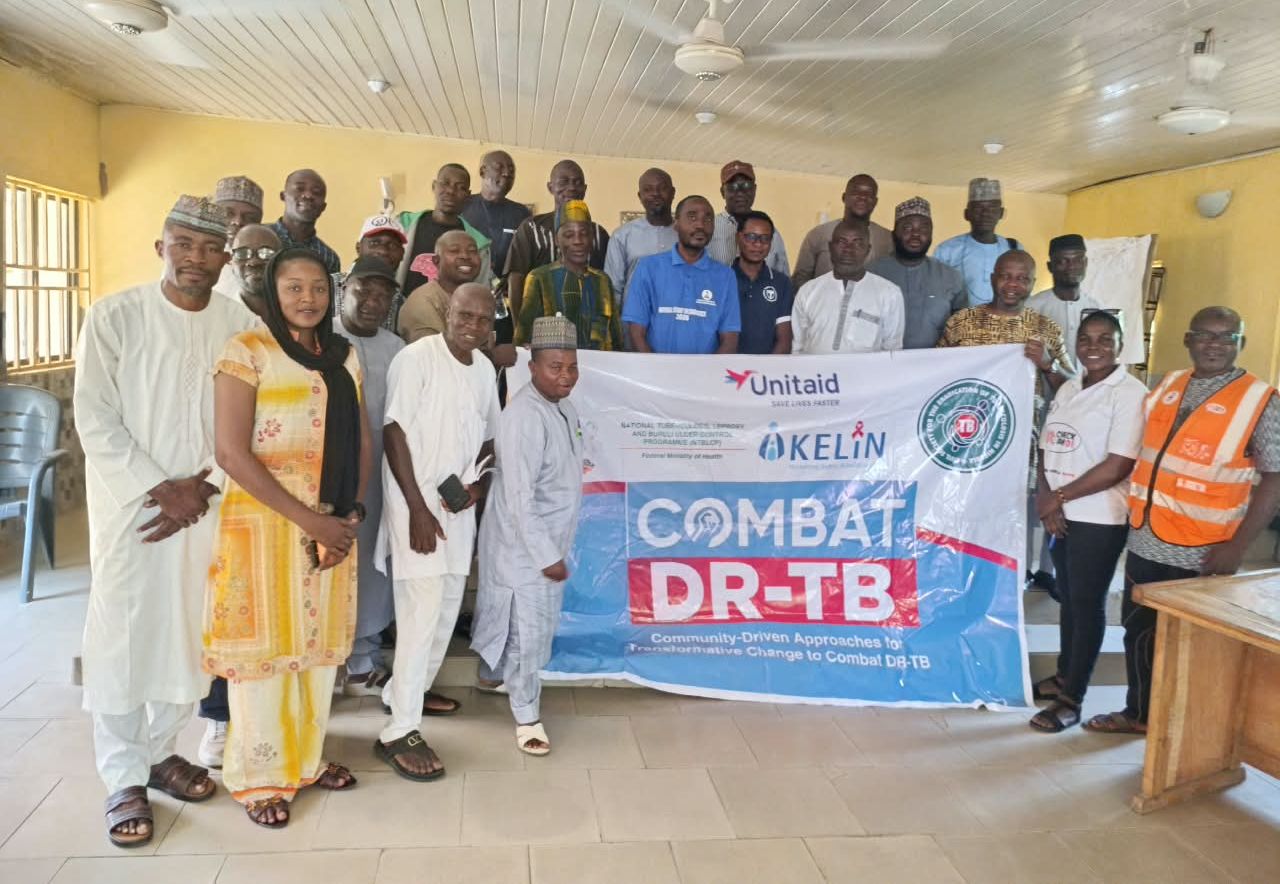
The deaths were disclosed at a community engagement meeting on the COMBAT DR-TB Intervention held at the State Tuberculosis Office in Lafia. The intervention is sponsored by the National Tuberculosis Control Programme in Abuja.
Stakeholders said the deaths have left other health workers afraid to attend to TB patients, at a time when detection is increasing and facilities are struggling to cope.
The Programme Manager for Tuberculosis, Leprosy and Buruli Ulcer, Dr. Ovey Simon said over 5,000 of the 24,000 suspected cases tested between January and November 2026 were positive and placed on treatment. He said 500 children aged 4 to 14 were also diagnosed.
He blamed the rise on delayed release of budgeted funds, lack of counterpart funds and poor capacity of directly observed therapy (DOT) centres.
The 2026 figures continue an upward trend. For World TB Day 2025, the state announced 8,190 cases in 2024, up from 7,275 in 2023, with 35 deaths recorded in 2024.
Of the 2024 cases, 21 per cent were co-infected with HIV, while 60 drug-resistant TB cases were recorded. The state has only a 10-bed DR-TB centre at ERCC Hospital, Alushi.
Nasarawa Local Government Area recorded the highest burden with 1,846 cases, followed by Nasarawa-Eggon with 682, Obi with 350, Awe with 179, Wamba with 178, and Toto with 143.
The TB and Leprosy Supervisor for Nasarawa LGA, Anzaku Bala, said health workers lack personal protective equipment (PPE), exposing them to infection in the line of duty.
“Some health workers have died of TB in some facilities, leaving others scared of attending to TB patients,” Bala said.
He said stigma remains a major challenge, with some patients now collecting their drugs at night to avoid identification. He urged government to intensify public enlightenment on the fact that TB is treatable and curable within six months.
Bala said some patients abandon treatment after starting, a development that fuels drug resistance and continued transmission. He also lamented a serious manpower shortage, noting that most DOT workers are ad hoc staff employed by NGOs.
According to him, Alushi does not have enough staff, forcing patients to wait for up to two hours instead of 30 minutes. Only two drug-resistant TB patients were on admission at the centre, as most are discharged after about two weeks to continue treatment in their communities, except in critical cases.
Despite the challenges, Bala said detection is increasing due to the deployment of mobile GeneXpert and Truenat machines, which allow immediate confirmation and prompt commencement of treatment. Stakeholders, however, warned that the rise in detection is not matched with adequate commodities to sustain diagnosis and treatment.
Dr. Ogar said community-based organisations and NGOs are working with the state to manage drug-resistant TB in communities through home monitoring, drug administration and contact tracing.
He said the goal is to control and eliminate TB by 2030, in line with the Sustainable Development Goal of ending communicable diseases.
A TB survivor from Keffi LGA, Yahaya Kasimu, said shortage of sputum cups and drugs is affecting diagnosis and treatment. Kasimu, who contracted TB in 2017 and was cured, now helps facilities by tracking defaulters, transporting samples and returning results.
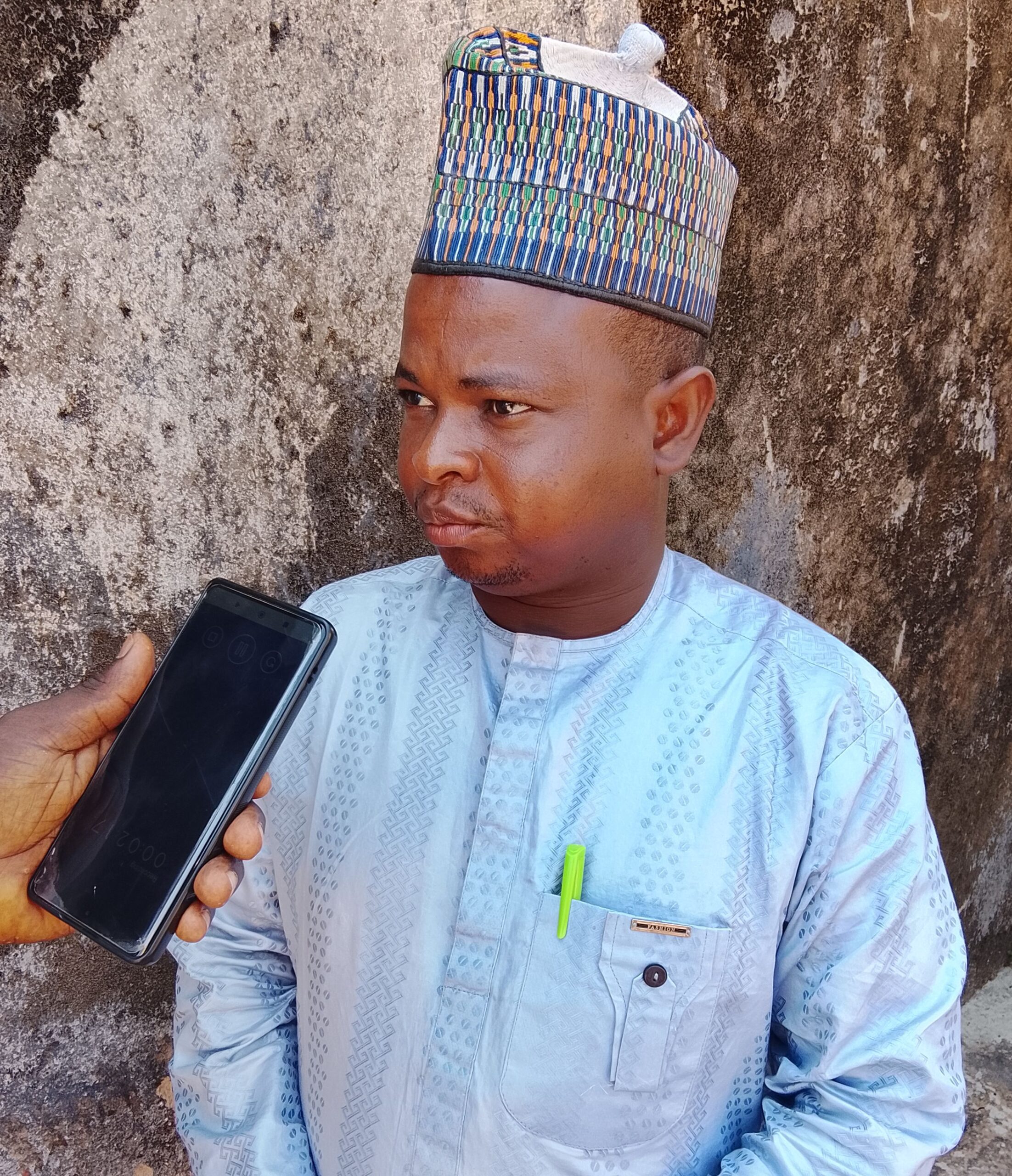
He said Keffi, with over 200 government and private health facilities, has only two TB testing machines, leading to delays and further transmission.
He said state coordinators were recently trained in Abuja on a new portable near point-of-care machine that can test for TB, drug resistance and drug susceptibility within 10 minutes, but only one machine is expected to be allocated to each state.
Kasimu urged government to provide dedicated TB funding for local governments yearly or monthly to ensure availability of sputum cups, drugs and diagnostic machines, especially as foreign donor support declines.
Stakeholders agreed that without adequate protection for health workers, sustained funding and improved sensitisation, the 2030 elimination target will remain elusive.
