

By Abubakar Yunusa Ojima-Ojo
Speaker of Nigeria’s House of Representatives, Hon. Tajudeen Abbas, has emphasised the critical need for young people to be at the heart of governance across Africa.
He made this known at the International Conference on Africa’s Democracy (ICAD 2025), held in Abuja on Tuesday.
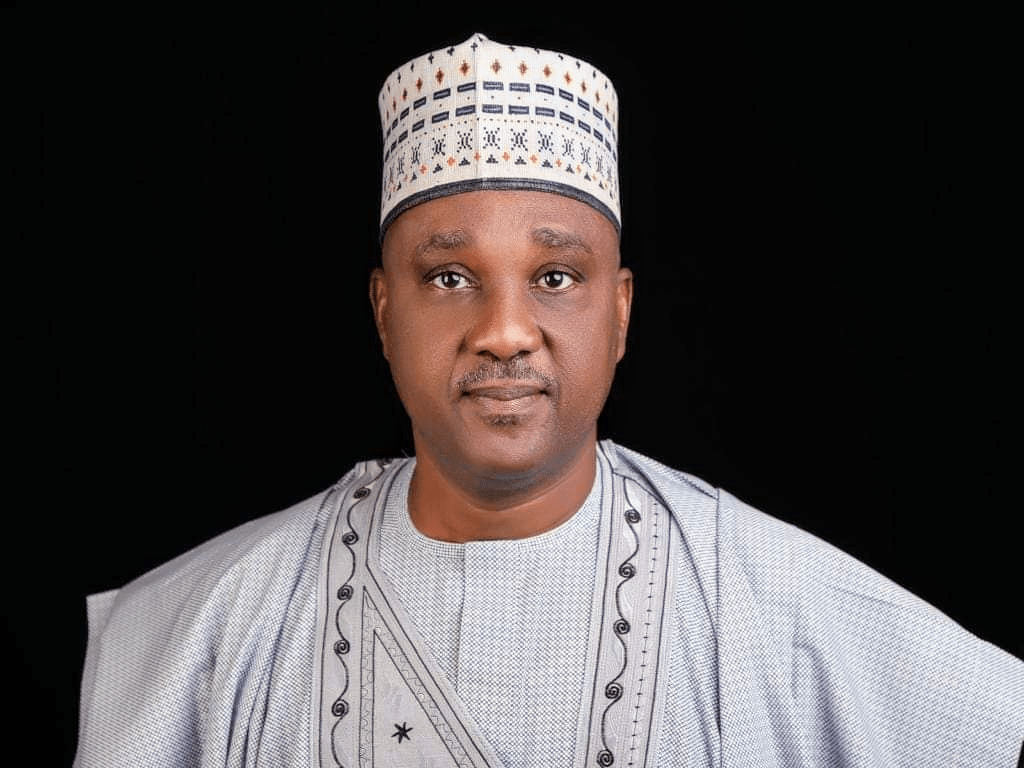
Abbas, who was represented by Deputy Speaker Benjamin Kalu, addressed a high-level gathering of policymakers, academics, and civil society leaders from across the continent.
The event, themed “Building a Governance System That Works for Africa, for Africans”, was organised in partnership with MWG International Initiative and other development actors.
According to Abbas, Africa’s parliaments must become proactive agents of transformation by adopting inclusive and youth-centred legislative frameworks.
He noted that with over 60 percent of Africa’s population under the age of 35, parliaments have a duty to empower the youth and integrate them fully into decision-making structures.
“The youth are not just our future — they are the vibrant force of today. Their voices, ideas, and innovations must shape our democratic institutions,” he said.
Citing Nigeria’s Not Too Young to Run Act, Abbas said the legislation had already produced tangible results, with more young Nigerians now occupying elective positions at various levels.
He also referenced the Legislative Mentorship Initiative as one of the homegrown efforts to build civic leadership capacity among the younger population.
“From civic advocacy to digital innovation, young Africans are redefining participatory democracy. Our job is to create laws that reflect their aspirations,” he said.
Abbas stressed that inclusive development would remain elusive without deliberate efforts to dismantle structural barriers to youth and women participation.
He pointed to the 10th House’s Eight-Point Legislative Agenda, which prioritises gender-responsive policymaking, youth empowerment, and equitable access to resources.
“Through this agenda, we are institutionalising inclusivity and ensuring that governance is not the preserve of a few but a platform for all,” he added.
The Speaker further advocated for enhanced parliamentary collaboration across borders, citing the importance of joint action through the Pan-African Parliament and ECOWAS legislative bodies.
He also underscored the need for African countries to transition from donor-driven models to governance systems rooted in local realities and indigenous values.
Abbas called for more investment in open parliament platforms, digital civic tools, and transparent policymaking to reconnect elected officials with citizens.
“Our democracy will only succeed if it is driven by the people — especially our youth — and if our governance structures reflect the hopes and voices of every African,” he said.
