
By Abdullahi Ogoshi
In the modern world, the environment is no longer treated as a passive backdrop to human activity but as a central driver of economic growth, health, and sustainable development.
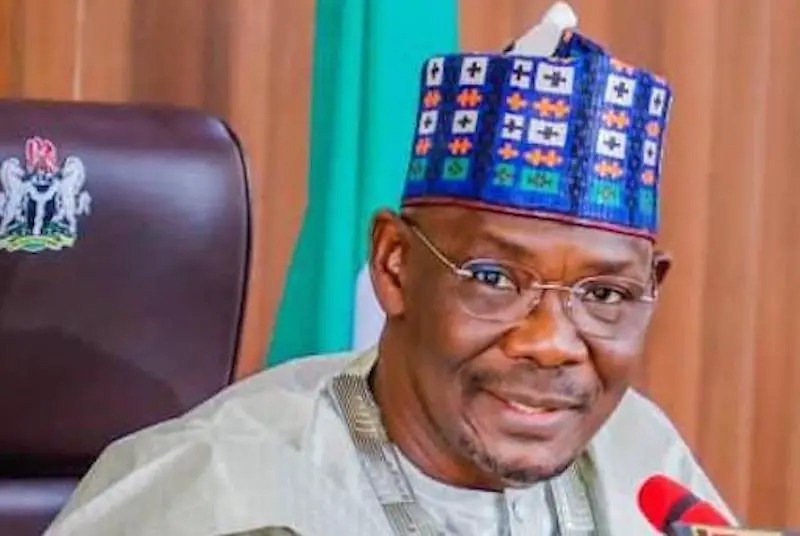
Nasarawa State, under the purposeful leadership of Governor Abdullahi A. Sule is beginning to show what it means to embrace this philosophy. His administration’s efforts to transform waste into wealth are not only timely but visionary, positioning the state as a model for environmental sustainability in Nigeria.
Waste, if neglected, is a curse, clogging drainages, polluting water bodies, breeding diseases, and degrading the environment. But with proper management, it becomes a blessing as well as an asset that can generate jobs, produce renewable energy, and strengthen the green economy. Governor Sule’s policies and programmes on waste management are laying the foundation for such a transformation.
The State Government, under the leadership of His Excellency, Engr. Abdullahi A. Sule established the Nasarawa State Waste Management and Sanitation Agency (NSWAMSA) with the mandate to ensure proper waste management and environmental sanitation across the state.
Since its creation, the agency has developed and implemented several strategies for effective waste management, including waste collection, transportation, treatment, and disposal. These efforts are geared towards keeping the environment clean, instilling a culture of good sanitation among the people, and addressing the menace of littering and illegal dumping of refuse.
In line with His Excellency’s unwavering commitment to safeguarding public health and promoting environmental safety, the government has strengthened NSWAMSA with additional manpower and modern equipment. This support has enhanced the agency’s capacity to achieve its core mandate of promoting best practices in waste management for improved environmental sustainability.
To maximize impact, NSWAMSA actively collaborates with other government agencies, private organizations, and local communities in enhancing sanitation initiatives across the state.
A major innovation in this regard is the promotion of waste-to-wealth practices, which have gained significant momentum in Nasarawa State. Recycling solid waste does not only help in reducing indiscriminate disposal but also provides gainful employment opportunities for thousands of unemployed youths. Additionally, it generates revenue for both individuals and the state government.
Today, it is common to see scavengers and recyclers on the streets of our towns and cities collecting empty bottles, cans, plastics, metals, and other recyclable materials. This development has greatly reduced the volume of waste indiscriminately disposed of while simultaneously creating livelihoods and contributing to a cleaner, healthier environment.
From Lafia, the state capital, to Karu, Keffi, Akwanga, and beyond, the government has intensified efforts in waste collection, recycling, and environmental sanitation. A key highlight is the collaboration with private investors to establish recycling plants and modern waste management systems. These initiatives create employment opportunities for the youth while turning what was once an environmental nuisance into raw materials for industries. Plastic, glass, and organic waste are now seen as resources that can power agriculture, manufacturing, and clean energy.
Governor Sule’s approach is also about instilling a culture of environmental consciousness. Monthly sanitation exercises, urban waste policies, and public enlightenment campaigns are helping residents understand their role in protecting the environment. The ultimate goal is a cleaner, greener, and wealthier Nasarawa State.
But the implications go further. In an era when climate change threatens livelihoods and global attention is on green solutions, Nasarawa State is aligning itself with the Sustainable Development Goals (SDGs). Waste-to-wealth programmes reduce greenhouse emissions, enhance public health, and stimulate innovation. They send a clear message that environmental protection is inseparable from economic development.
The challenge, however, is sustainability. The government alone can not do it all. Citizens must embrace proper waste disposal habits, entrepreneurs should seize the opportunities in recycling, and local governments must strengthen enforcement of sanitation laws. With the right synergy, Nasarawa can emerge as one of Nigeria’s green economy champions. , it becomes necessary for every household, residents and community to compliment government efforts on transforming waste to wealth. The benefits of fostering the initiative can not be overemphasized in terms of economic prosperity, environmental sustainability, climate conservation, and healthy living conditions.
Governor Sule has shown foresight by recognizing that waste is not just dirt. It is potential. It is wealth waiting to be unlocked. If fully pursued and supported, his vision of transforming waste into wealth will not only beautify our environment but also uplift the economy and improve the lives of the people.
In Nasarawa today, waste is no longer just a problem. It is the next frontier of prosperity.
