
Govt not seeking fresh N20.4billion loans, only a guarantor – Niger Assembly
By Aideloje Ojo
Minna
Niger State House of Assembly has explained that the state government is not seeking for fresh loan but to act as guarantor for the N20.4billion loan facility by the Niger Food Security Systems and Logistics Company
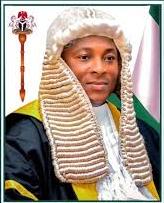
The Speaker of the Assembly, Rt. Honourable Abdulmalik Sarkindaji made the clarification following reports claiming that the state Governor Umaru Mohammed Bago, requested for loan in letter to the Assembly.
According to him, ” the letter from the Governor was only to seek the approval of the assembly for the state to guarantee the loan by Niger Food Security Systems and Logistics Company”.
He pointed out that contrary to insinuations that the Assembly has approved a fresh loan request by the Governor, the request was for the government to guarantee Niger Food Security Systems and Logistics Company through UBA to secure a loan from Saudi Exim line to support the company’s operational expansion for the development of 3,000 hectares fully irrigated farm estate to be situated in the state.
He said, “during the sitting on Tuesday, the House received a correspondence from Governor Mohammed Umaru Bago seeking legislative approval for a bank guarantee in favour of the United Bank for Africa (UBA) in relation to a financing arrangement involving the Niger Foods Security Systems and Logistics Company”.
“The request was read at the plenary and was referred to the appropriate House committee for further deliberation. So for the purpose of clarity, it is not a fresh loan request”, he explained.
He explained that Niger Foods Security Systems and Logistics Company is a separate corporate entity even though the state government is the largest shareholder in the company, it operates as a limited liability company with its own corporate identity and management structure.
He emphasized that the responsibility for repayment of the loan facility rests solely with the Niger Foods Security Systems and Logistics Company and not with the Niger State Government and not the state government; adding that the financing institution required a government-backed guarantee because of the state government’s substantial shares in the company.
