
By Abubakar Ojima-ojo Yunusa
When traders in Port Harcourt locked up early one humid March afternoon, it was not flooding or fuel scarcity that sent them home. It was politics. News had broken that President Bola Tinubu had suspended an elected governor and imposed emergency rule on Rivers State. For many residents, it felt like history looping back.
That moment captured the mood of Nigeria’s politics in 2025 — tense, polarising and relentlessly dramatic.
From courtrooms to party secretariats and the Senate chamber, power was contested with unusual ferocity. Institutions were stretched, alliances fractured and citizens watched, often helplessly, as political battles overshadowed bread-and-butter issues.
Rivers: Federal Power on Full Display
The Rivers crisis was the year’s first major flashpoint. What began as a feud between Governor Siminalayi Fubara and his predecessor, now FCT Minister Nyesom Wike, spiralled into a constitutional showdown.

The demolition of the state assembly complex, budget paralysis and a maze of court orders crippled governance. In February, the Supreme Court ordered the Central Bank of Nigeria to withhold Rivers’ allocations and nullified local government elections, tightening the noose.
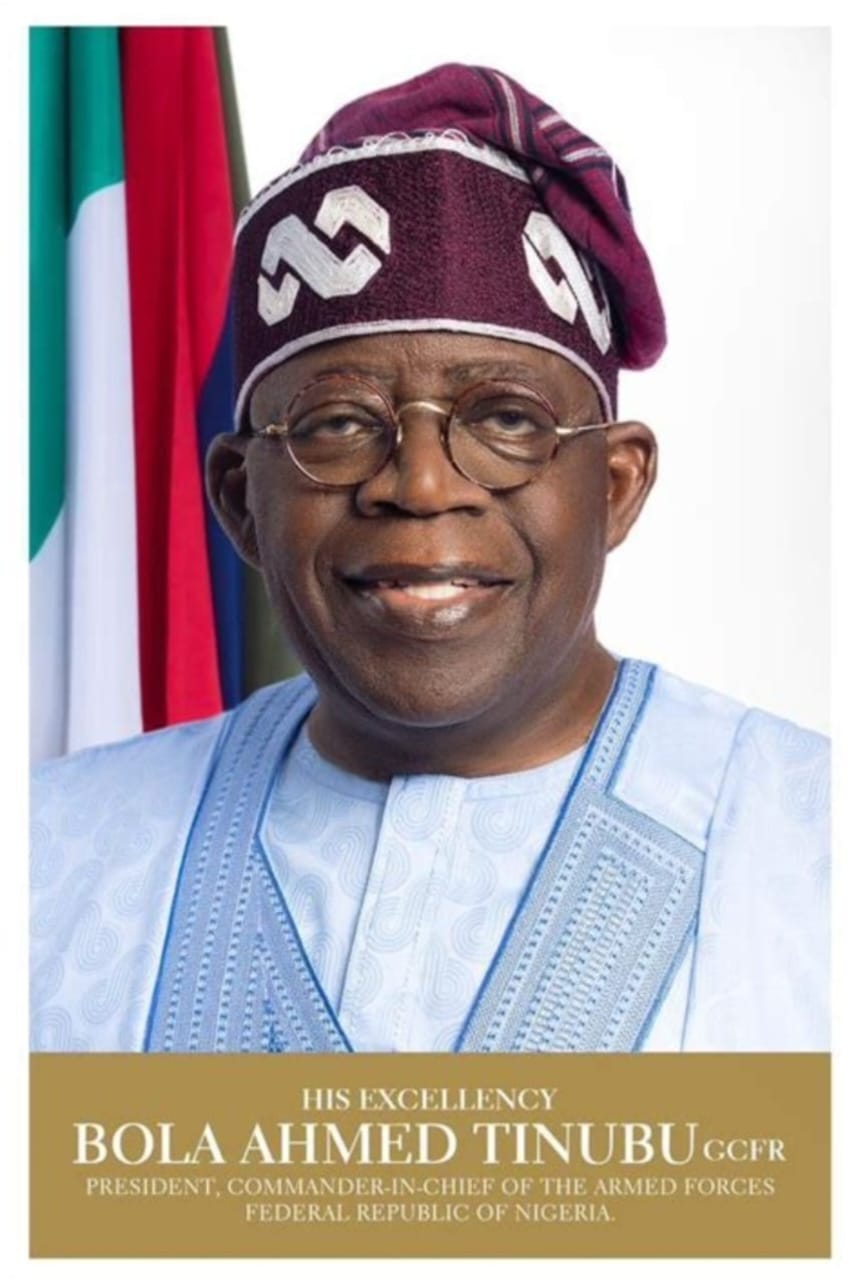
When lawmakers moved to impeach Fubara, Tinubu stepped in. On March 18, he declared emergency rule, suspending the governor, his deputy and the legislature, and appointing retired naval chief Ibok-Ete Ibas as sole administrator.
“It was a clear assertion of federal authority,” said constitutional lawyer Jiti Ogunye.
“But it also raised fears about how far such powers can go.”
Though the six-month emergency ended in September and Fubara returned, the Supreme Court’s December ruling affirming the president’s powers set a precedent that will outlive the crisis.
Labour Party: A House Divided
If Rivers tested federalism, the Labour Party tested party cohesion. Locked in a leadership war since 2023, the party spent 2025 entangled in court rulings and rival conventions.

Allegations of N3.5bn fraud against Julius Abure, countered by denials, split the party into factions led by Abure, Lamidi Apapa and a caretaker committee chaired by Nenadi Usman.
INEC’s refusal to recognise Abure, followed by conflicting court judgements and a decisive Supreme Court ruling on jurisdiction, only deepened the chaos.
“The LP squandered the goodwill of millions of voters,” said political analyst Shehu Iliasu. “Internal democracy collapsed under ego and litigation.”
Senate Storm: Akpoti-Uduaghan vs Akpabio
In February, a dispute over seating arrangements ignited one of the most personal political battles of the year. Senator Natasha Akpoti-Uduaghan’s clash with Senate President Godswill Akpabio escalated into allegations of sexual harassment — firmly denied by Akpabio.
Her six-month suspension by the Senate drew public outrage. Many Nigerians saw it as excessive, even punitive. A federal high court ordered her reinstatement in July, but the legal battle dragged on to the Supreme Court.
Beyond personalities, the episode reopened debates about gender, power and dissent in Nigeria’s legislature.
PDP Implosion and Mass Defections
The opposition PDP fared no better. A disputed national convention, expulsions of heavyweight figures including Wike, and the emergence of parallel party structures fractured the party.
INEC’s refusal to recognise the new leadership worsened matters. By year’s end, governors from Osun, Rivers, Enugu, Delta, Bayelsa and others had defected, hollowing out what was once Africa’s largest opposition party.
For voters, it reinforced cynicism about parties as vehicles for ideology rather than ambition.
Cabinet Scandal and Coup Rumours
October brought embarrassment to the presidency when Innovation Minister Uche Nnaji resigned amid allegations of forged academic credentials. Though he denied wrongdoing, his exit revived concerns about vetting at the highest levels.
Weeks earlier, whispers of a botched coup attempt had unsettled the nation, amplified by the cancellation of Independence Day celebrations. While investigations later confirmed an attempt, official silence fuelled anxiety in a country with a painful history of military rule.
Pardons and Public Trust
Tinubu’s decision to pardon 175 individuals — later reduced to 120 — capped the year’s controversies. The inclusion of convicts linked to corruption and other serious crimes provoked outrage.
Civil society groups warned that such clemency risked undermining the justice system. The government’s subsequent review suggested it had misread public mood.
A Year That Redefined Politics
Taken together, 2025 exposed the fault lines of Nigeria’s democracy — strong executives, weak parties and institutions struggling for credibility.
For citizens like that Port Harcourt trader, the lesson was sobering. “Politics is always fighting,” he said. “But it is our lives that pause.”
As Nigeria heads into another political cycle, the echoes of 2025 will shape debates about power, accountability and the fragile trust between the state and its people.
