

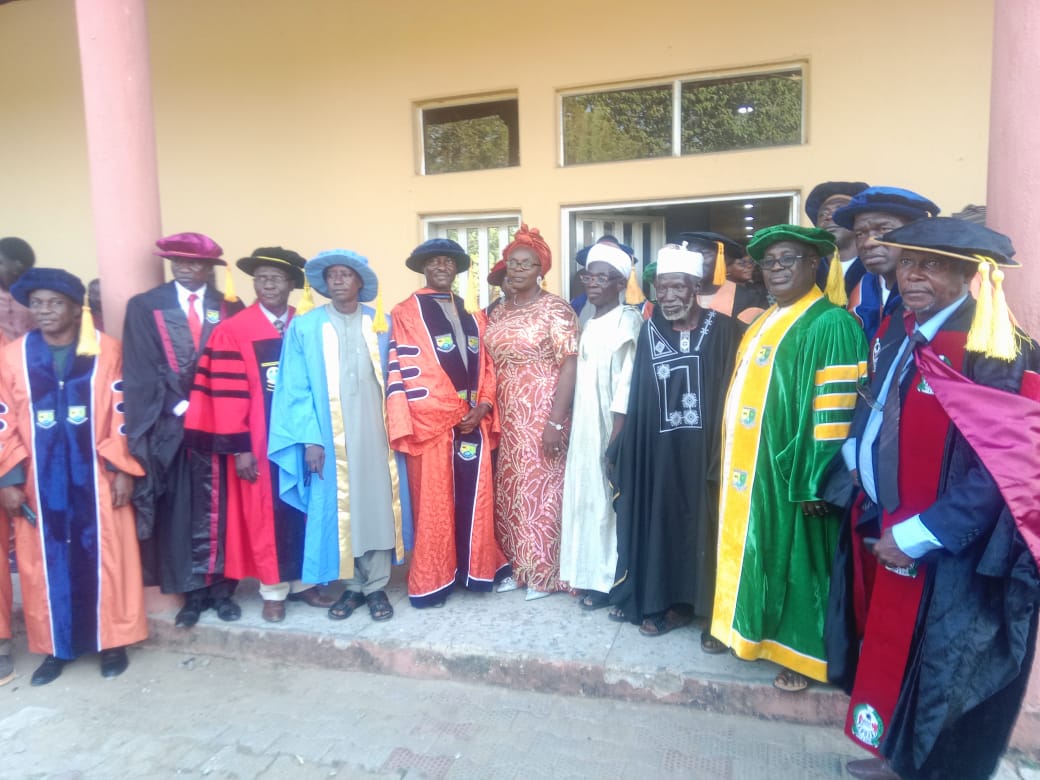
A Professor of Economics, Professor Joseph Mammah, has called for a fundamental shift in Nigeria’s development approach, arguing that decades of plans, policies and projects have failed to deliver shared prosperity because they have not placed people at the centre.
Professor Mammah, who specialises in Development and Applied Economics, made the call while summarising his presentation on Nigeria’s shared quest for shared prosperity.
According to him, development has not been lacking in the country. Plans have been formulated, policies have been enunciated, and projects have been executed. What has been missing, he said, is the link that ensures people’s lives are transformed, influenced and affected positively.
“That is the anchor of this lecture,” he said.
It was on that basis that he proposed what he called the PPPP Model, also known as the Four P Development Model.
The model brings together four domains of development — Plans, Policies, Projects and People — as the pathway to shared prosperity.
Professor Mammah explained that the model has both conceptual clarification and mathematical connotations, and is designed to be workable when applied to real-life policy situations.
“The challenge now is to test this model because it’s a workable model, it’s a model that if applied, it will work,” he said. “And so the challenge I have is to empirically apply this model in policies to see the effect.”
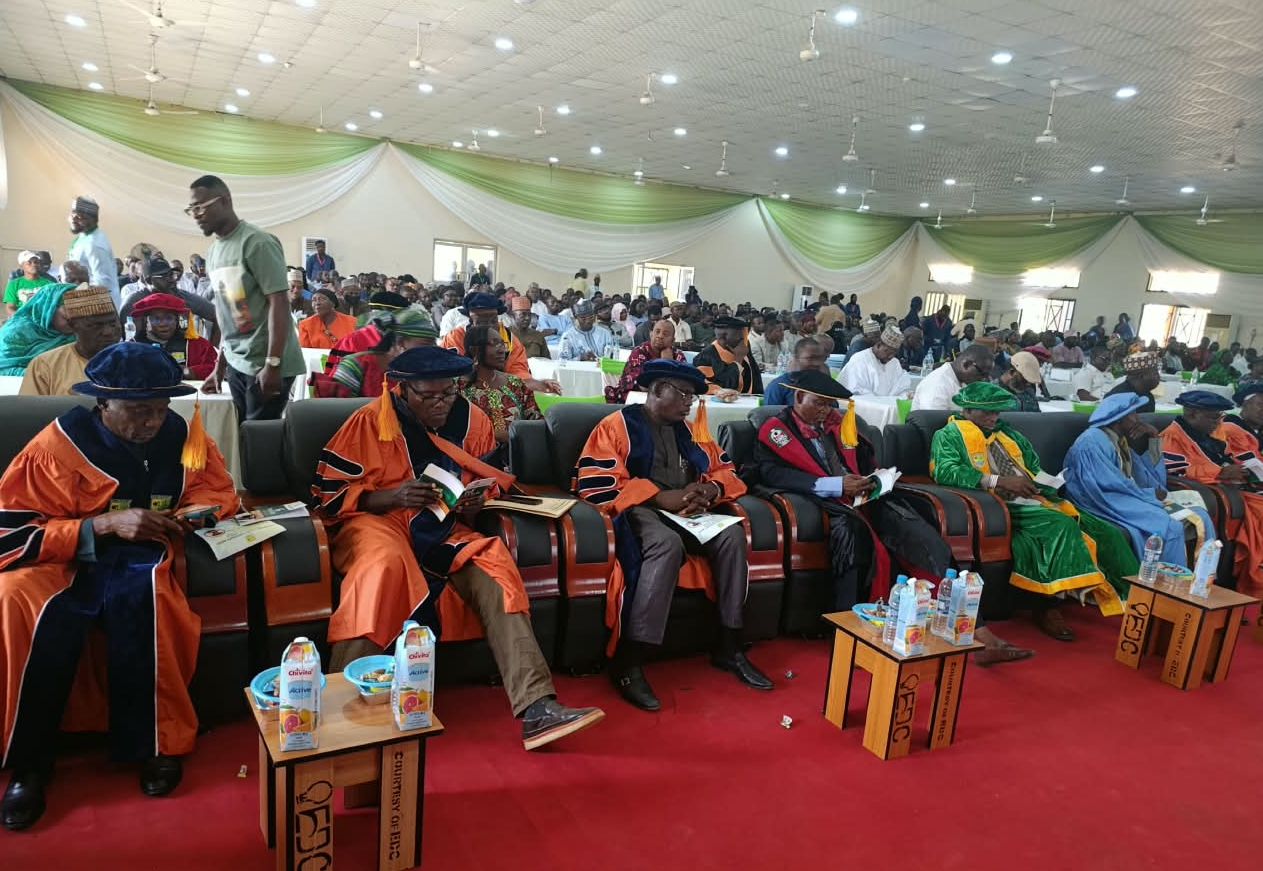
He expressed confidence that once the model is empirically tested, the results would show that it is empirical, functional and workable.
Priorities Must Drive Projects
On recommendations to government, Professor Mammah said the first is that projects must be based on priorities — the priority of the community, the people, or the state.
He warned against a situation where government merely announces projects without regard to what the people actually need.
Using the establishment of a school as an example, he said if the vision does not include mopping up school-age children in that community who have dropped out, then establishing the school amounts to mere government rhetoric.
But if the plan captures those who dropped out and those who cannot go to school because they cannot afford school fees, then it speaks to shared prosperity.
He noted that this reality affects the lowest 40 per cent of the country’s population the most — those whose children are dropping out of school, who cannot afford fees, and who, even when they struggle to finish, do not have the opportunity of employment.
“So, if anything I’m doing, it must capture this essence: the people are the heart, at the centre of that,” he said.
Bottom-Up Approach
Secondly, Professor Mammah urged government to adopt a bottom-up approach to development, which he described as inclusive.
Under the approach, the people decide what they want and tell government, rather than government deciding for them.
He said even during electioneering campaigns, government should be telling the people: “We discover this is your need, we will do it when we come.”
He contrasted this with the top-down approach, where government decides what to do and imposes it on the people whether they like it or not — such as promising to build an airport in a community that does not need one.
“The bottom-up approach is an inclusive approach that involves people decide what they want,” he said.
