
AGRA Nigeria, in partnership with ThriveAgric, has commissioned a solar-powered borehole system and unveiled farmer-managed Productive Use of Energy equipment in Bosso and Gbako Local Government Areas of Niger State.
The intervention was rolled out under the Strengthening Farmers Resilience Through Climate Smart Grain Production and Accessing the Structured Markets in Nigeria project, otherwise known as STREFAS.
The initiative is targeted at tackling post-harvest losses and irrigation challenges confronting smallholder farmers cultivating rice, maize, soybeans and sorghum across Northern Nigeria.
Officials said the deployment of solar-powered infrastructure would reduce dependence on erratic rainfall, support dry-season farming and cut post-harvest losses by as much as 40 per cent.
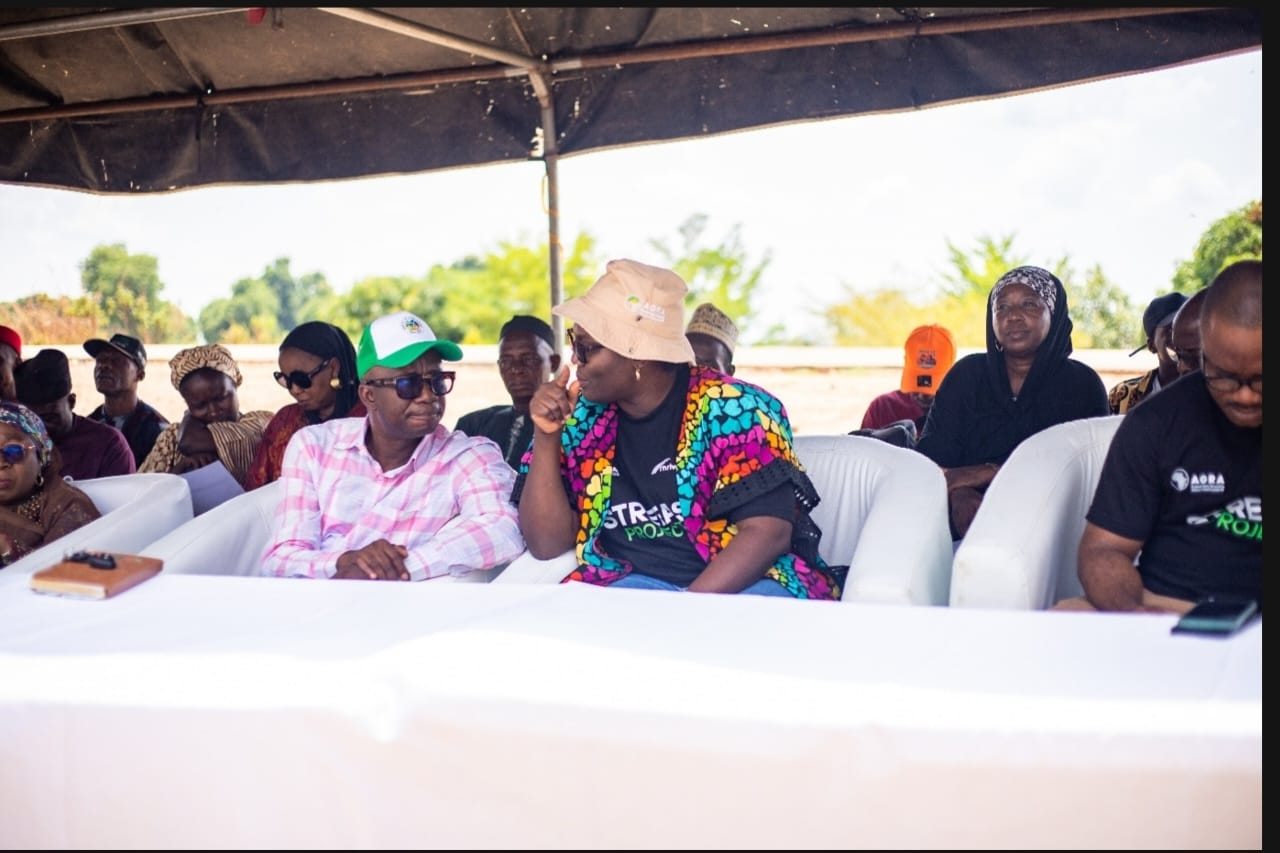
The field event, held in communities across Bosso and Gbako LGAs, attracted government officials, development partners, agricultural experts and farmers.
Highlights of the programme included the commissioning of a solar-powered borehole in Maitumbi community and demonstration of solar irrigation pumps, solar multi-grain threshers and solar bubble dryers at the ThriveAgric warehouse in Talba Market.
Speaking during the event, Niger State Commissioner for Agriculture, represented by the Permanent Secretary, Dr Mathew Ahmed, described the initiative as timely amid growing climate threats affecting farmers.
He said the partnership would strengthen the state’s climate change mitigation drive, protect farmers from seasonal dry spells and modernise agricultural production.
AGRA Country Director, Mr Rufus Idris, represented by Programme Officer, Dr Esther Ibrahim, said the project reflected a commitment to building resilient food systems and expanding market opportunities for smallholder farmers, especially women and youths.
According to her, investment in solar-powered irrigation and post-harvest technologies would help farmers withstand climate shocks and move beyond subsistence farming.
Vice President, Product and Innovation at ThriveAgric, Sula Bello, said integrating clean energy solutions into farming operations would improve productivity and guarantee long-term sustainability in the food system.
The organisers disclosed that the STREFAS project had so far reached over 8,000 farmers across six LGAs, facilitated the planting of more than 20,000 trees and aggregated over 15,000 metric tonnes of grains for structured markets.
The project also created jobs for youths engaged as last-mile extension agents in farming communities.
The initiative is supported by partners including the Bill & Melinda Gates Foundation, The Rockefeller Foundation, German Cooperation, KfW Development Bank and UK International Development.
